This post contains affiliate links. As an Amazon Associate I earn from qualifying purchases, at no extra cost to you.
Someone in the local moms group just posted a free crib, a bouncer and a bag of newborn clothes, and your thumb is hovering over the comment button while a little voice asks if any of it is actually okay to use. I've been on both sides of that post. When I first wrote about this, I said it plainly: "I have had a ton of luck in Mom give/get facebook groups. When a mom in the area is ready to purge her old baby items, there are other moms that are happy to take them off her hands (sometimes that mom is me!)." This guide sorts the baby items to buy secondhand from the few worth buying new, so you can say yes to the free bag of onesies and feel good about it.
Free printable: baby's first holidays coming up? Get the free Holiday Number Starter to work out what the season will cost before it sneaks up on you. Pop your email in right here:
Quick answer
Most baby clothes, books, toys, baby baths, changing tables and gliders are fine to get secondhand once you check for recalls and give them a good clean. Car seats, crib mattresses, cribs and breast pumps are the ones safety experts and federal agencies say to buy new, or to accept only with a full history from someone you trust. Strollers and high chairs land in the middle: used is fine if they're recent and meet current standards.
Quick picks
Top pick, for freshening up a used glider, high chair pad or bouncer cover: See the Bissell Little Green portable cleaner on Amazon
For the one big thing worth buying new: See the Graco Contender Slim convertible car seat on Amazon
For sorting a giant bag of hand-me-down clothes by size: See the 3 Sprouts closet dividers on Amazon
For storing the next size up until it fits: See the Shozafia rolling under-bed storage bins on Amazon
For labeling every bin so you can find 12 months in a hurry: See the Brother P-touch N25BT label maker on Amazon
These come from editor picks at CNN Underscored and Babylist, not from testing in our house. Listings change, so give each one a quick look before you buy.
Why so many parents buy used (and why it feels confusing)
You're far from alone if you're eyeing hand-me-downs. In a national poll from University of Michigan Health C.S. Mott Children's Hospital, half of parents said they had used pre-owned equipment for babies and young kids. Two in three also said it's hard to always know whether a used item is safe.
Here's the part that stuck with me. About 9 in 10 parents said they would inspect and clean a used item, but only about half said they'd look up its instructions or check it for recalls. That second step is free and only takes a few minutes, so it's where I'd start.
Baby items to buy new
This list is short on purpose.
1. Car seats
Car seats expire, and a seat that looks perfect can hide crash damage. A Yale New Haven Hospital injury prevention manager put it simply in their guide to used baby items: a seat from a family member you trust, who tells you it's never been in an accident, is one thing. A seat from a stranger is another, because you have no way of knowing its history.
If a trusted relative offers you one, go through NHTSA's used car seat checklist: never in a moderate to severe crash, date and model labels intact, no recalls, all its parts and its instruction book. If you can't check every box, buying new is the calmer choice.
Buying new on a budget? Babylist names the Graco Contender Slim its best budget convertible car seat, mostly because it's simple to install and light enough to move between cars.
See the Graco Contender Slim on Amazon
Skip it if you already have a trusted hand-me-down seat that passes every item on the NHTSA checklist and isn't expired. For help installing any seat, a certified child passenger safety technician can check it for you.
2. Crib mattresses
Yale New Haven Health's injury prevention team lists crib mattresses as a buy-new item, since an old mattress can look fine while hiding dents and soft spots. For anything about how your baby sleeps, I'd go straight to the source and read the CPSC's safe sleep information and ask your pediatrician.
3. Cribs (especially older ones)
Federal crib standards changed in a big way. The CPSC says cribs sold in the U.S. had to meet new mandatory standards starting June 28, 2011. A crib made before that date may not meet them, and the Mott poll team notes that current standards rule out drop-side rails. Look for the date on the crib's tracking label. No label, or a drop side, means pass.
Yale New Haven Health's team recommends buying cribs new when you can, so it's a good one to put on your registry.
4. Breast pumps
This one surprises a lot of people. The FDA says single-user breast pumps should never be bought used, rented or shared, even with family, because of contamination risk. Only pumps designed for multiple users can be shared, and even then you need your own accessory kit. Before you buy one, call your health insurance. Yale New Haven Health notes that many insurers cover the cost of a pump or a multi-user rental.
Baby items to buy secondhand
Now the fun part. So much of what babies use is perfect secondhand, and some of it gets outgrown before it's even a little worn.
5. Clothes, shoes and swaddles
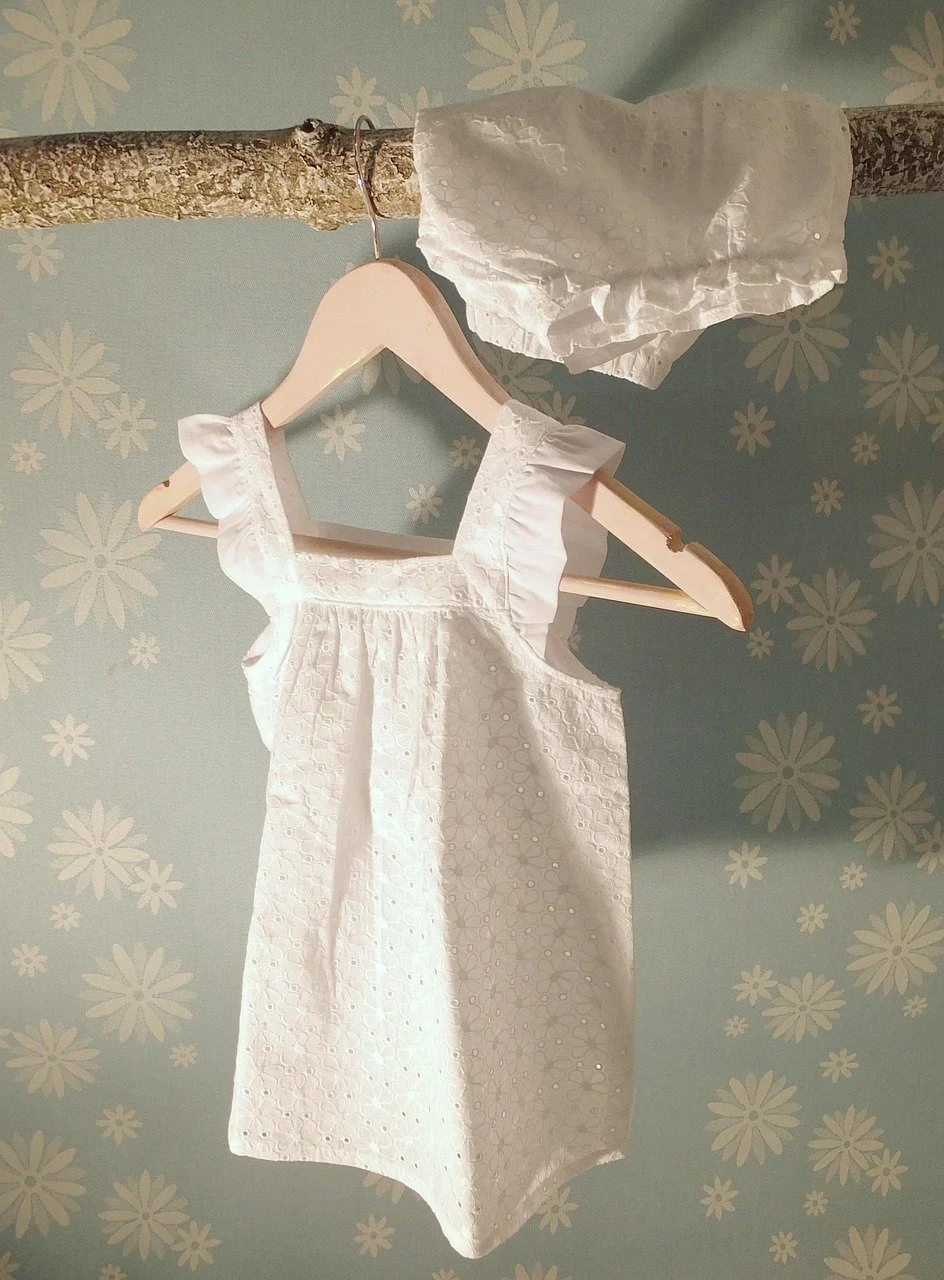
Babies outgrow clothes in weeks, which is why hand-me-downs are such a gift. Check for missing snaps and loose buttons, then wash everything first.
The hard part is usually the volume. One generous bag can hold five sizes. Babylist's nursery organizing guide recommends closet dividers by size, and the 3 Sprouts set makes it easy to see when you're about to move up.
See the 3 Sprouts closet dividers on Amazon
Skip it if your baby's clothes all fit in one dresser. A strip of tape on each drawer works too.
6. Books and most toys
Board books and simple toys hold up well. Wipe them down, check for cracks, and look up any toy with batteries or small parts on the CPSC recalls page.
7. Strollers
A good used stroller is a real win. Yale New Haven Health notes that stroller standards changed in 2015, so look for the manufacture date and favor newer models. Test the brakes, fold and unfold it a few times, and check every wheel.
8. High chairs
Yale's team says to look for a five-point harness, a fixed post between the legs and a tray that slides in from the front rather than coming over your baby's head. Then check for recalls.
Seat pads are where used high chairs get gross. After checking the care label, a small spot cleaner helps with fabric pads, glider cushions and bouncer covers. CNN Underscored calls the Bissell Little Green an editor favorite for lifting stains from upholstery.
See the Bissell Little Green on Amazon
Skip it if the covers on your used gear come off and go in the washing machine. And never use it on car seat straps or fabric unless the seat's manual says that's okay.
9. Nursery furniture, baby baths and carriers
Changing tables, gliders and rockers are great secondhand finds, and Yale New Haven Health says they can save you hundreds. Plastic baby baths and carriers are on their okay-used list too.
One tip from my original post is still worth repeating: ask where the item lived. If it came from a smoking home or a house with pets, that may be fine for you or it may not, but it's always worth knowing before you load it in the car.
How to check any used baby item in 10 minutes
Save this for the next free baby swing post.
Find the label. Snap a photo of the brand, model number and manufacture date.
Search recalls. Look it up on the CPSC recalls page or SaferProducts.gov. For car seats, use the NHTSA checklist.
Check the date. Cribs made before June 28, 2011 and strollers made before 2015 deserve a second look.
Count the parts. Missing pieces can often be ordered from the maker.
Find the manual. Most brands post them online. The Mott team warns that gear put together without the instructions can collapse or stop working right.
Look it over. Cracks, rust, frayed straps or wobbly legs mean pass.
Ask about its home. Smoke, pets and storage in a damp basement are all fair questions.
Clean it. Follow the care label, then let it dry fully before baby uses it.
Tools that make hand-me-downs easier
The hard part of free baby stuff is usually where to put it. A few simple tools keep it from taking over.
Rolling under-bed bins. Babylist suggests under-bed storage for the next sizes up, and the Shozafia rolling bins come in a 3-pack, so one can hold each size coming next.
See the Shozafia rolling storage bins on Amazon
Skip it if you don't have space under a bed. Clear bins on a closet shelf work just as well.
A label maker. CNN Underscored picked the Brother P-touch N25BT for its simple keyboard and low price. Label bins by size and you'll stop digging through all of them for one pair of pants.
See the Brother P-touch N25BT on Amazon
Skip it if a marker and masking tape make you just as happy.
Where to find good secondhand baby gear
Start with family and close friends, since that's the easiest way to know an item's full story. After that, local gifting groups like the Buy Nothing Project, mom swap groups, kids' consignment sales and resale shops are all worth a look. Our guide to finding your mom tribe can help you find the local moms who pass things along.
Your new vs. secondhand checklist
Buy new: car seat (unless a trusted hand-me-down passes NHTSA's checklist), crib mattress, crib, single-user breast pump.
Used is fine if recent and recall-free: stroller, high chair.
Great used: clothes, shoes, swaddles, books, most toys, baby bath, changing table, glider, carrier.
Always: check recalls, find the manual, clean it well.
If you're building a baby budget around all of this, our money-saving tips for new parents and family budget for beginners walk through the rest. You can find more in our Baby on a Budget guides.
One more thing
If there's a baby item you're on the fence about, new or used, tell me which one. Reply to any of our emails, I read every one.
FAQ
What baby items should you not buy used?
Safety sources point to car seats with an unknown history, crib mattresses, older cribs and single-user breast pumps. The FDA and CPSC pages linked above explain why.
Is it safe to use a hand-me-down car seat?
It can be, if it comes from someone you trust, isn't expired and passes NHTSA's used car seat checklist. If any of its history is unknown, buy new.
How do I check if a baby item has been recalled?
Find the brand and model number on its label, then search the CPSC recalls page or SaferProducts.gov. If you still aren't sure, the maker's customer service line can tell you.
Saving on baby gear doesn't have to mean guessing. Put the car seat on your registry, say yes to the bag of onesies, and keep a little cleaner handy. See the Bissell Little Green on Amazon if you want one for used gear.
Want daily family deals and gift finds? Follow The Coupon Corner on Facebook: https://www.facebook.com/couponcornerbyhomecentsibility