
This post contains affiliate links. As an Amazon Associate I earn from qualifying purchases, at no extra cost to you.
You stand at the register with a cart full of paper towels, snacks and a birthday gift, and you can't tell which part of the budget it all came out of. That's usually the moment people start looking at cash envelopes. In our house, our Christmas number is $200 a kid. A number like that is a lot easier to stick to when it has its own spot to live. This cash envelope categories list gives every kind of spending a home, sorted by the kind of family you have, with free printable labels so you can start this week.
Free printable: want help picking your holiday number before you stuff that first envelope? Get the free Holiday Number Starter. Pop your email in right here:
Quick answer
A good starting set is five to eight cash envelopes: groceries, household and Target runs, gas, eating out, kids' stuff, personal care and fun money. Add a few "save a little each month" envelopes for things like Christmas, birthdays and car repairs. If you're brand new, start with just the two or three categories where money tends to disappear.
Quick picks
Top pick, for anyone starting from scratch: See the Clever Fox cash envelopes on Amazon
For the mom who wants everything in one zip wallet: See the Three Way Cut cash envelope wallet on Amazon
For planning the numbers before the cash comes out: See the Clever Fox Budget Planner on Amazon
For a calm, friendly money read: See Get Good with Money by Tiffany Aliche on Amazon
The envelopes and wallet came from a cash envelope wallet roundup on FindingBalance.Mom, the planner from The Savvy Mama and the book from CNBC Select. Listings change, so take a quick look before you buy.
How cash envelope categories work
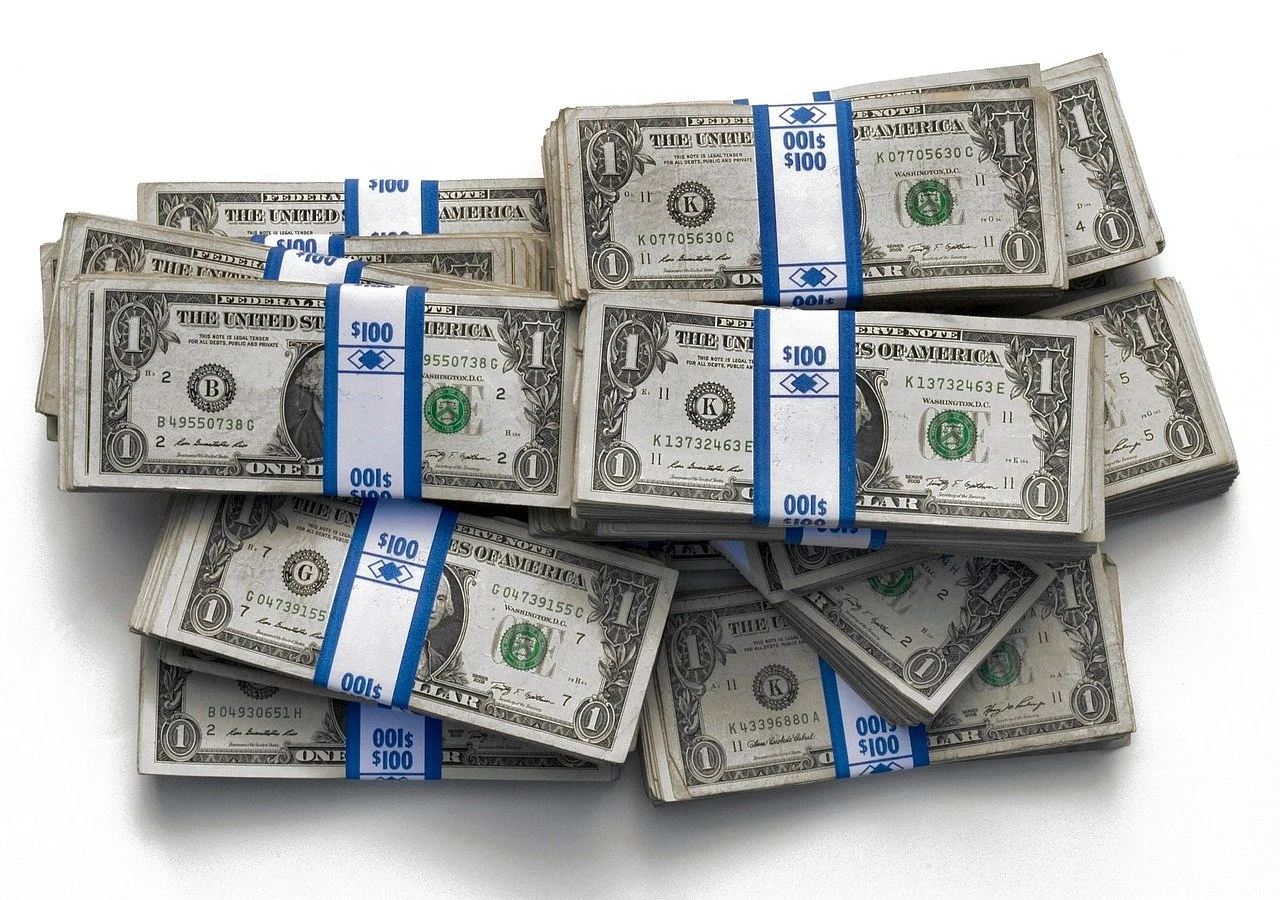
The idea is simple. You decide how much you'll spend in a category for the month, pull that amount out in cash, and put it in an envelope with the category written on the front. When the envelope is empty, you're done spending there until it gets refilled. Ramsey Solutions explains it the same way and suggests starting with the spots where you tend to overspend, like groceries, restaurants and fun money.
You get to choose how broad or how detailed your categories are. NerdWallet gives the example of one "utilities" envelope versus separate ones for each bill. Fidelity notes the method works best for costs that change month to month and are easy to pay in cash, like dining out and gas.
So skip the envelope for every single thing and save them for the money that tends to slip away.
The core cash envelope categories list for families
These are the ones that show up on almost every list, Ramsey's included. Read through and circle the ones that sound like your house.
Groceries. Food and kitchen basics. It's often the biggest envelope, and the one that shows you fastest how the month is going.
Household. Paper towels, soap, trash bags, batteries and every little thing that ends up in the cart at Target. Keeping it apart from groceries shows you where the money really goes.
Gas. Easy to pay in cash at most stations, and it changes enough month to month that a set amount helps.
Eating out. Takeout, coffee runs and drive-thru dinners on soccer nights. Ramsey puts this near the top of its list for a reason.
Kids' stuff. Field trip money, school spirit days, art supplies and the "Mom, I need this tomorrow" items.
Personal care. Haircuts, shampoo, makeup and toiletries.
Fun money. A small, guilt-free amount for each adult. A little room for a treat can make the rest of the envelopes easier to live with.
Gifts. Birthday parties, teacher gifts and the baby shower you forgot about until Friday.
Cash envelope categories by family type
Every family spends differently, so here's how I'd tweak the list depending on where you are right now.
If you have a baby or toddler
Diapers and wipes. Give it its own envelope so it doesn't quietly eat the grocery money.
Baby gear and clothes. Little ones outgrow things fast. A set amount keeps the "just in case" buys in check.
Childcare extras. Daycare supply lists, nap mat covers and spare clothes add up.
If your kids are in school
School costs. Lunch money, book fair days, picture day and class parties.
Activities. Sports fees, uniforms and snack duty for the team.
Birthday parties. Gifts for friends' parties sneak up during the school year, so this one earns its own envelope.
If you're living on one income
Keep it tight with four envelopes: groceries, household, gas and a shared fun envelope.
Add a "buffer" envelope with a small amount for the surprise costs that always show up.
If you're brand new to this
Start with three: groceries, eating out and household. Ramsey's own advice is to begin with two or three problem areas and add more once you have the hang of it. Three envelopes you actually use beat twelve you abandon by week two.
Save a little each month: sinking fund envelopes
Some costs don't happen every month, but they happen every year. Ramsey suggests envelopes for those irregular expenses, like car insurance and Christmas or birthday gifts, so you add a bit each month and the bill doesn't knock you over.
Good sinking fund envelopes for families:
Christmas. This is the one I'd start with. Pick your number, divide it by the months you have left, and drop that in each payday. If you need help with the number, our guide to how much to spend on Christmas per child walks you through it.
Birthdays. Your own kids' birthdays plus the family ones you always buy for.
Car repairs and registration.
Back to school. Clothes, shoes and supply lists in August.
Annual fees. Memberships, subscriptions you pay once a year, and sports registration.
One gentle note here. Both Fidelity and NerdWallet point out that cash in an envelope can be lost or stolen and doesn't earn interest. For bigger sinking funds and true savings, many families write the amount on the envelope and move the actual money into a savings account instead.
What doesn't belong in a cash envelope
Bills you pay online. Rent, the mortgage, utilities and insurance are usually paid electronically. Fidelity suggests keeping a running tab on the envelope instead of stuffing real cash for these.
Your emergency fund. Keep that in the bank, where it's safer.
More than you need to carry. Ramsey's tip is to take only the envelope you need for that trip and leave the rest somewhere safe at home.
How much to put in each envelope
Start with what you already spend. Pull up your last two or three months of bank and card statements and add up each category. That's your first guess, and it doesn't have to be perfect.
For groceries, the USDA publishes monthly cost of food reports that estimate what a healthy diet at home costs at four spending levels. It's a helpful gut check if you have no idea where to begin. The USDA food plans page explains how those levels work.
If you're paid twice a month, split each envelope in half and stuff it on each payday. Then adjust next month. Fidelity and Ramsey both say the same thing: if one envelope keeps running dry, move a little from another category that keeps coming in under.
If you've never put a full budget together, our family budget for beginners covers it in seven simple steps, and it makes picking envelope amounts a lot easier.
Free printable cash envelope labels
The printable has labeled boxes for the core categories and the sinking funds above, plus blank ones for your own. Each label has a spot for the monthly amount, so you can cut them out and tape them right on the front of your envelopes.
Download the free printable cash envelope labels (PDF)
Tools that make this easier
You really can start with plain envelopes from the junk drawer. These just make it tidier if you plan to stick with it.
Clever Fox cash envelopes
A 12 pack of tear and water resistant envelopes with a carry pouch. They hold up better than paper ones, which matters for the grocery envelope that comes out every week. They were part of the FindingBalance.Mom roundup of cash envelope wallets and systems.
See the Clever Fox cash envelopes on Amazon
Skip it if you're only trying envelopes for a month to see if you like them. Paper ones are fine for a test run.
Three Way Cut cash envelope wallet
An all in one zip wallet with 12 tabbed envelopes, monthly budget cards and card slots, so the whole system fits in your purse. Also from the FindingBalance.Mom roundup.
See the Three Way Cut cash envelope wallet on Amazon
Skip it if you'd rather keep most envelopes at home and carry one at a time. A wallet tempts you to carry everything.
Clever Fox Budget Planner
An undated planner for working out your numbers before the cash comes out. The Savvy Mama included it in its budget planner roundup.
See the Clever Fox Budget Planner on Amazon
Skip it if you already track your budget in an app you like. A planner only helps if you open it.
Get Good with Money by Tiffany Aliche
A warm, practical money book that made CNBC Select's list of the best personal finance books. Nice if you want the bigger picture behind your envelopes.
See Get Good with Money on Amazon
Skip it if your library has it. Borrowing a money book is about as on brand as it gets.
Pick your envelopes, print the labels and stuff the first two or three this payday. Then hit reply on any of our emails and tell me which envelope you started with. I read every one.
Cash envelope categories FAQ
What are the most common cash envelope categories?
Groceries, eating out, gas, household, personal care, gifts and fun money show up on almost every list. Ramsey's suggested list also includes medicine and car maintenance. Start with the ones where you overspend most.
How many cash envelopes should I have?
There's no magic number. I'd try to keep it under ten, counting sinking funds, so it stays easy to manage. If you're just starting, two or three is plenty.
Can I do cash envelopes for bills I pay online?
You can track them on an envelope, but you don't need to stuff real cash for them. Fidelity suggests writing a running tab on the envelope, or stuffing the cash, paying online and putting the money back in the bank.
What do I do with leftover money in an envelope?
Celebrate a little, then move it toward a goal. Fidelity suggests putting leftover cash into savings, and Ramsey suggests putting it toward your next money goal, like an emergency fund or paying down debt.
The bottom line
A perfect system or a pretty binder isn't required. A short list of categories that fit your real life, with a little cash in each, is plenty to start. Begin with groceries, eating out and household, add a Christmas envelope while there's still time, and build from there.
If you want sturdy envelopes to start with, see the Clever Fox cash envelopes on Amazon. And if you're curious how far cash stuffing can go, read our post on cash stuffing and saving over $5K in 100 days.
Related: family budget for beginners, how to make a Christmas budget and how to build an emergency fund.
Want daily family deals and gift finds? Follow The Coupon Corner on Facebook: https://www.facebook.com/couponcornerbyhomecentsibility
